
How IPTV Works in the USA (Beginner Guide 2026)
If you are new to streaming, you might be wondering how IPTV works in the USA and why so many people are switching from traditional cable. IPTV is becoming a popular way to watch TV because it gives users more flexibility, better device compatibility, and a modern viewing experience based on internet streaming.
In this beginner-friendly guide, we explain how IPTV works in the USA, what you need to get started, and how to use it on devices like Firestick, Smart TV, and mobile phones. By the end of this article, you will clearly understand how IPTV functions and whether it is the right choice for you.
What Is IPTV?
IPTV stands for Internet Protocol Television. Instead of receiving TV channels through cable or satellite, IPTV delivers content عبر الإنترنت. This means you can watch live TV, movies, and shows using an internet connection on different devices.
When people search for how IPTV works in the USA, they are usually trying to understand this key difference: IPTV uses the internet instead of traditional broadcasting systems.
How IPTV Works in the USA
The basic idea behind IPTV is simple. Content is transmitted through internet servers instead of traditional signals. When you select a channel or program, the IPTV service sends the video data to your device in real time.
Step 1: Content Is Stored on Servers
TV channels, movies, and shows are hosted on powerful servers. These servers manage and distribute the content to users when requested.
Step 2: Internet Connection Transfers the Data
When you click on a channel, the IPTV service sends the stream عبر الإنترنت إلى جهازك. The speed and stability of your connection directly affect your viewing experience.
Step 3: Your Device Displays the Stream
Your IPTV app receives the data and converts it into video that you can watch on your screen. This happens almost instantly if your connection is stable.
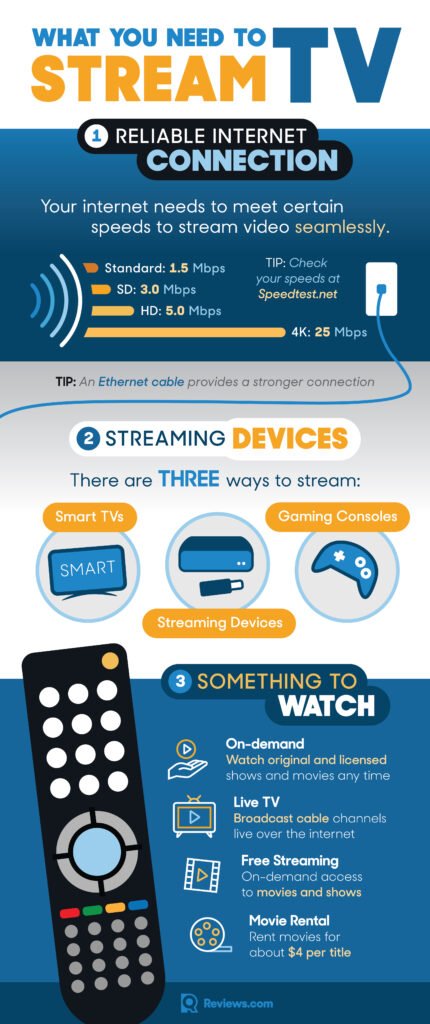
What Do You Need to Use IPTV?
Before using IPTV, you need a few basic elements. Fortunately, the setup is simple and does not require complex equipment.
- Stable internet connection
- Compatible device (Smart TV, Firestick, Android, iPhone, etc.)
- IPTV app or player
- Active IPTV subscription
Once you have these, you can start using IPTV within minutes.
Devices That Support IPTV
One of the main reasons IPTV is growing fast in the USA is its compatibility with modern devices.
- Amazon Firestick
- Android TV
- Smart TVs
- Android smartphones
- iPhones and iPads
- TV boxes
- Computers and laptops
This flexibility allows users to watch content anywhere, not just on a single TV.
Types of IPTV Services
To fully understand how IPTV works in the USA, it is important to know that IPTV services are not all the same. There are different types depending on how content is delivered.
Live TV IPTV
This is the most common type. It allows you to watch live channels in real time, similar to traditional TV.
Video on Demand (VOD)
This type lets you choose movies or series and watch them anytime, not just live.
Time-Shifted TV
This feature allows users to watch previously aired content, even if they missed it live.
IPTV vs Traditional Cable: Key Differences
| IPTV | Cable TV |
|---|---|
| Uses internet streaming | Uses cable infrastructure |
| Works on multiple devices | Limited device flexibility |
| Modern streaming experience | Traditional viewing model |
| More flexible usage | Fixed setup |
Is IPTV Easy to Use?
Yes, IPTV is generally easy to use, especially if the provider offers a clear setup process. Most users can install an IPTV app, enter their subscription details, and start watching within a few minutes.
For beginners, choosing a user-friendly app and a provider with good support makes the process even simpler.
Why IPTV Sometimes Buffers
Understanding buffering is part of understanding how IPTV works in the USA. Buffering happens when the stream cannot load fast enough.
- Slow internet connection
- Weak Wi-Fi signal
- Server overload
- App or device issues
Improving your connection or using a better IPTV service can reduce these problems.
Tips for Better IPTV Performance
- Use a stable internet connection
- Restart your device regularly
- Keep apps updated
- Choose a reliable IPTV provider
- Avoid overloaded networks during peak hours
Is IPTV Legal in the USA?
IPTV itself is a technology and is legal. However, legality depends on the service provider and whether they have proper rights to distribute content. It is always recommended to choose services that operate within legal frameworks.
Who Should Use IPTV?
- People who prefer streaming over traditional TV
- Users with Smart TVs or streaming devices
- Viewers who want flexible access to content
- Users who travel and want portable TV access
Final Thoughts
Now that you understand how IPTV works in the USA, you can see why it is becoming a popular alternative to traditional cable. It offers flexibility, device compatibility, and a modern way to access entertainment.
Choosing the right IPTV service and ensuring a stable internet connection are the two most important factors for a smooth experience. With the right setup, IPTV can provide a simple and enjoyable way to watch your favorite content anytime.
Frequently Asked Questions
How IPTV works in the USA with a simple terms?
IPTV works by sending TV content عبر الإنترنت instead of cable. Your device receives the stream and displays it instantly.
How IPTV works in the USA?
Do I need a fast internet connection?
Yes, a stable and reasonably fast internet connection is important for smooth streaming without buffering.
Can I use IPTV on multiple devices?
Yes, many IPTV services support multiple devices, including Smart TVs, phones, and streaming devices.
Is IPTV better than cable?
For many users, IPTV is more flexible and convenient, especially for those who prefer streaming.
Is IPTV difficult to install?
No, most IPTV setups are simple and can be completed within minutes using an app and subscription details.