
IPTV vs Cable TV in the USA: Which Is Better in 2026?
Choosing between IPTV vs cable TV in the USA has become a common question as more people shift toward internet-based streaming. Traditional cable has been around for decades, but IPTV is changing how users watch TV by offering more flexibility and modern features.
In 2026, the IPTV vs Cable TV debate is more relevant than ever because viewing habits continue to change.
In this guide, we compare IPTV and cable TV in terms of cost, performance, flexibility, and user experience to help you decide which option is better for your needs in 2026.
What Is IPTV?
IPTV (Internet Protocol Television) delivers TV content عبر الإنترنت instead of traditional cable infrastructure. It allows users to stream live channels, movies, and shows on multiple devices such as Smart TVs, Firestick, and mobile phones.
What Is Cable TV?
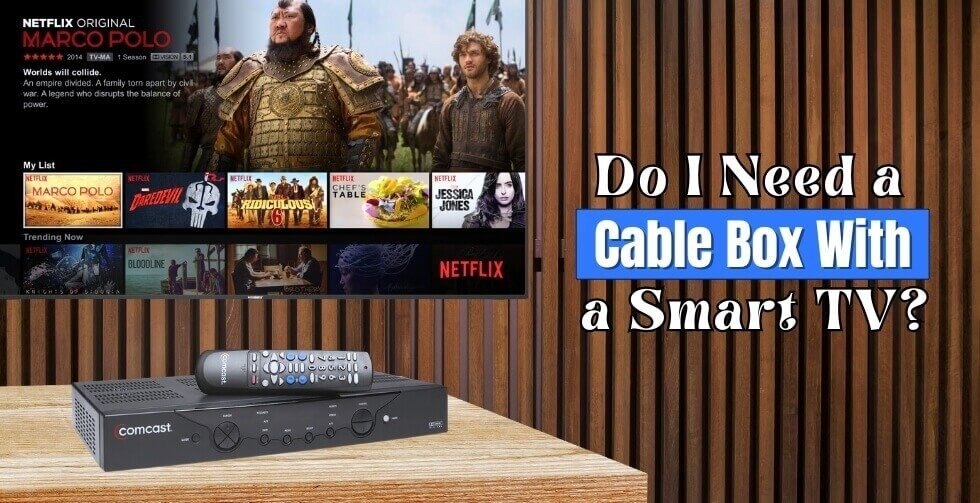
Cable TV is a traditional system that delivers television content through physical cables connected to your home. It usually requires a subscription plan and a dedicated receiver or box.
IPTV vs Cable TV: Key Differences
| Feature | IPTV | Cable TV |
|---|---|---|
| Technology | Internet-based streaming | Cable infrastructure |
| Device Support | Multiple devices | Limited devices |
| Flexibility | High | Low |
| Setup | Simple | Requires installation |
| Mobility | Watch anywhere | Fixed location |
Cost Comparison: IPTV vs Cable USA
One of the biggest differences between IPTV and cable TV is pricing. Cable subscriptions in the USA are often expensive and come with long-term contracts. IPTV services usually offer more flexible pricing options.
- Cable TV often requires higher monthly fees
- IPTV may offer more affordable plans
- Cable may include hidden fees (equipment, installation)
- IPTV is generally subscription-based with fewer restrictions
However, price alone should not determine your choice. Performance and reliability are equally important.
Streaming Quality and Performance
When comparing IPTV vs cable USA, performance plays a key role.
IPTV Performance
Depends heavily on your internet connection and the quality of the IPTV provider. A good service can offer smooth HD or even 4K streaming.
Cable Performance
Usually stable because it relies on physical infrastructure, but lacks flexibility and modern streaming features.
Flexibility and Convenience
IPTV clearly stands out when it comes to flexibility.
- Watch on multiple devices
- Access content anywhere with internet
- Switch between devices بسهولة
Cable TV is more limited:
- Fixed to one location
- Requires specific hardware
- Less portable
Channel Variety and Content Access
Both IPTV and cable provide access to a wide range of channels, but the experience can differ.
IPTV often offers broader international content and on-demand options, while cable focuses more on structured channel packages.
Ease of Installation
IPTV is easier to set up compared to cable.
- No technician required
- Install app and start watching
- Quick activation
Cable TV usually requires:
- Installation appointment
- Hardware setup
- Longer activation time
Reliability: Which Is More Stable?
Cable TV is traditionally more stable because it does not depend on internet speed. IPTV, on the other hand, depends on your connection quality and the provider’s servers.
However, with a good internet connection, IPTV can provide a smooth and enjoyable experience.
Pros and Cons of IPTV
- High flexibility
- Works on multiple devices
- Easy setup
- Modern streaming experience
- Depends on internet quality
- Some services may be unreliable
Pros and Cons of Cable TV
- Stable connection
- Simple traditional setup
- Expensive
- Limited flexibility
- Requires hardware
Who Should Choose IPTV?
- People who prefer streaming
- Users with Smart TVs or Firestick
- Those who want flexible viewing
- Users looking for modern TV experience
Who Should Choose Cable TV?
- Users who prefer traditional TV
- People without stable internet
- Viewers who want simple fixed setup
Final Verdict: IPTV vs Cable USA
If you want modern features and more control, IPTV vs Cable TV is no longer a close comparison for many users.
When comparing IPTV vs cable TV in the USA, IPTV clearly offers more flexibility, device compatibility, and a modern viewing experience. Cable TV remains a stable option, but it lacks the convenience and adaptability that many users now expect.
If you have a stable internet connection and prefer streaming across devices, IPTV is often the better choice in 2026.
Frequently Asked Questions
Is IPTV better than cable in the USA?
For many users, IPTV is better because it offers more flexibility and works on multiple devices.
Is cable TV still worth it?
Cable TV may still be useful for users who prefer traditional viewing and stable connections.
Does IPTV replace cable?
IPTV can replace cable for many users, especially those who prefer streaming.
Which is cheaper IPTV or cable?
IPTV is often more affordable, but the value depends on service quality.
Do I need internet for IPTV?
Yes, IPTV requires a stable internet connection to work properly.